Places to Visit in Bhubaneswar offer visitors a remarkable blend of ancient heritage, spiritual significance, architectural excellence, cultural traditions, and natural beauty. Conveniently located in the historic Old Town area of Bhubaneswar, Ashok Nandini Guest House provides comfortable accommodation with easy access to many of the city’s most renowned landmarks and pilgrimage destinations. This guide features some of the most popular places to visit in Bhubaneswar, including ancient temples, museums, cultural attractions, artisan villages, and heritage sites that showcase the rich legacy of Odisha. While most of the destinations listed here are located within Bhubaneswar city, we have also included several major tourist attractions situated outside Bhubaneswar that are closely connected to Odisha’s cultural, spiritual, and tourism landscape, making them ideal destinations for day trips and extended sightseeing during your stay.
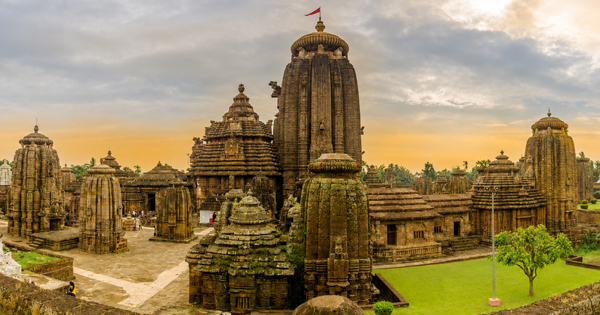
Lingaraj Temple is the most iconic landmark of Bhubaneswar and one of the finest examples of ancient Kalinga architecture. Dedicated to Lord Shiva, this majestic 11th-century temple is renowned for its towering structure, intricate stone carvings, and deep spiritual significance. A major pilgrimage destination, it attracts devotees and visitors from across India throughout the year.
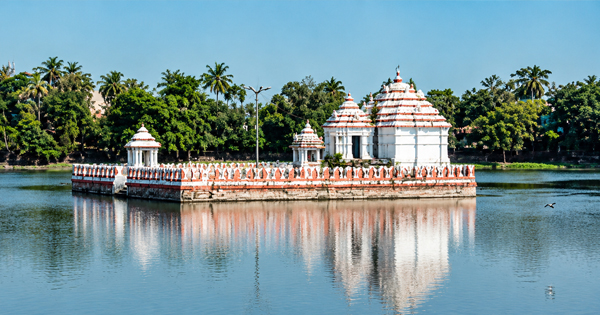
Bindu Sagar Lake is a sacred water body located beside the historic Lingaraj Temple in Old Town Bhubaneswar. Revered by devotees, the lake is believed to contain water from numerous holy rivers of India. Surrounded by ancient temples and cultural landmarks, it offers a serene atmosphere and serves as an important center for religious festivals and rituals.
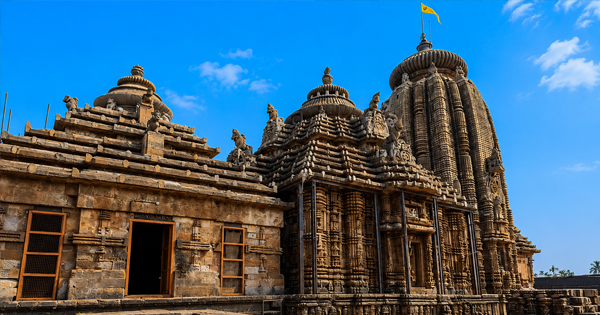
Ananta Vasudeva Temple is a revered 13th-century temple dedicated to Lord Krishna, Lord Balarama, and Goddess Subhadra. Situated on the eastern bank of the sacred Bindu Sagar Lake in Old Town Bhubaneswar, it is the only major Vaishnavite temple among the city’s predominantly Shaivite shrines. Renowned for its elegant Kalinga-style architecture and traditional temple kitchen, the temple offers devotees and visitors a unique blend of spirituality, heritage, and authentic Odia Mahaprasad.
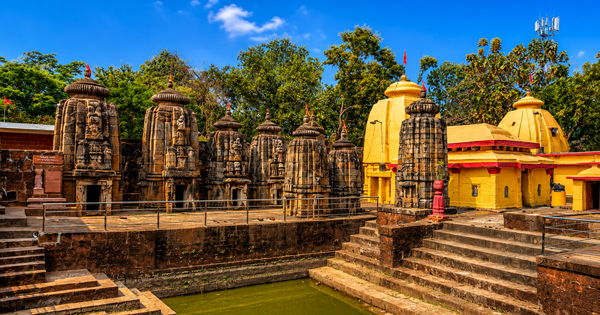
The Ashta Sambhu Temples comprise a sacred group of eight ancient Shiva temples that hold immense religious significance in Bhubaneswar’s spiritual landscape. These historic shrines—associated with Lord Shiva in eight revered forms—are deeply woven into the city’s temple traditions and pilgrimage routes. Visiting the Ashta Sambhu Temples offers devotees and heritage enthusiasts an opportunity to explore Odisha’s rich spiritual heritage, ancient architecture, and enduring religious customs.
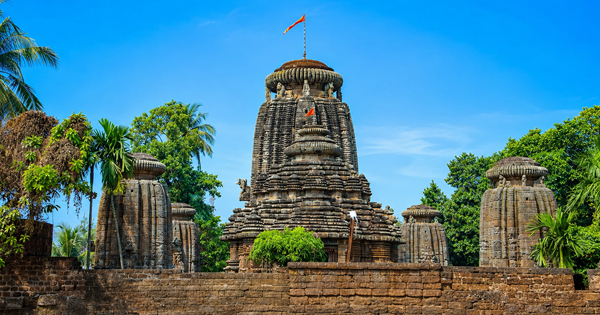
Chitrakarini Temple is a serene and culturally significant temple located in the historic Old Town area of Bhubaneswar. Dedicated to Goddess Chitrakarini, the temple is admired for its peaceful surroundings and traditional Odishan architectural style. The site offers visitors a glimpse into the region’s rich spiritual heritage and serves as a quiet retreat for devotees and history enthusiasts alike.
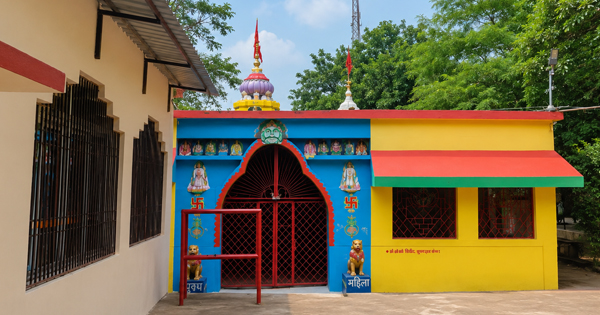
Dakhinichandi Temple is a revered shrine dedicated to Goddess Dakhinichandi, a powerful manifestation of the Divine Mother worshipped for protection, strength, and blessings. The temple holds an important place in the spiritual traditions of Bhubaneswar and attracts devotees seeking divine grace throughout the year. Known for its peaceful atmosphere and deep religious significance, the temple offers visitors an opportunity to experience Odisha’s rich Shakti worship traditions and cultural heritage.
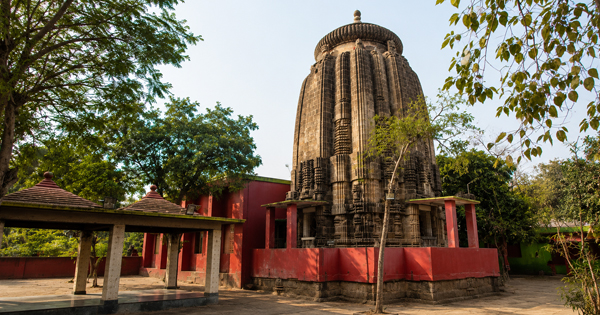
Dakra Bibhishaneswara Temple is an ancient shrine dedicated to Lord Shiva and forms an important part of Bhubaneswar’s rich network of historic temples. Revered by devotees for its spiritual significance and peaceful ambiance, the temple reflects the enduring religious traditions of the Temple City. Its historical heritage, traditional architecture, and sacred atmosphere make it a noteworthy destination for pilgrims and visitors interested in Odisha’s cultural and spiritual legacy.
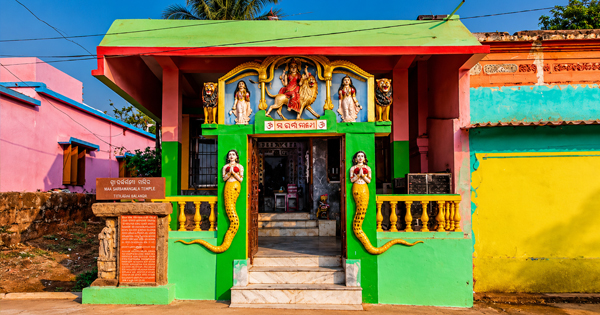
Dwarabasini Temple is a revered shrine dedicated to Goddess Dwarabasini, a manifestation of the Divine Mother worshipped for protection, prosperity, and spiritual well-being. Located in the historic temple region of Bhubaneswar, the temple is cherished by devotees for its sacred atmosphere and religious significance. With its enduring traditions and peaceful surroundings, Dwarabasini Temple offers visitors a meaningful glimpse into Odisha’s rich Shakti worship heritage and cultural legacy.
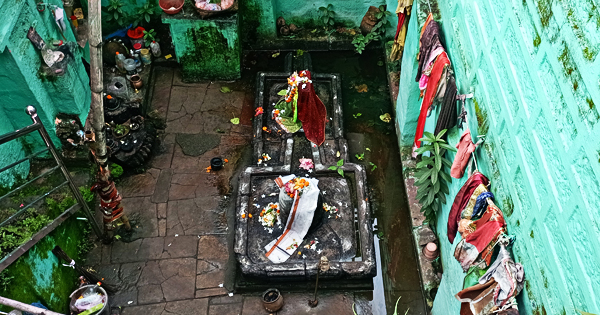
Mahakaal Mahakali Temple is a revered spiritual destination dedicated to Lord Mahakaal (Shiva) and Goddess Mahakali, embodying the divine union of strength, protection, and transformation. Known for its serene atmosphere and devotional significance, the temple attracts worshippers seeking blessings, peace, and spiritual fulfillment. Its sacred ambiance and vibrant religious celebrations make it a popular place of worship for devotees and visitors exploring Bhubaneswar’s rich spiritual heritage.
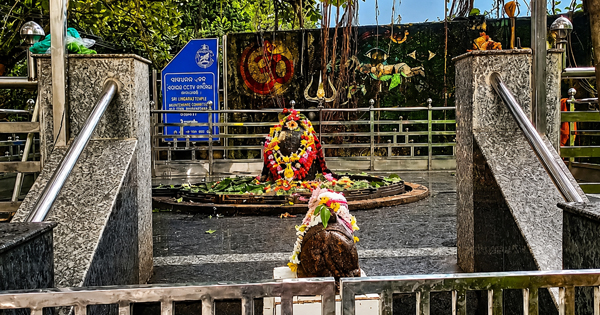
Kharakhia Baidyanath Temple is a revered Shiva shrine located in the historic Old Town area of Bhubaneswar. The temple is renowned for its unique sacred Shiva Linga, which remains under the open sky rather than within a conventional temple structure. Deeply revered by devotees, the shrine holds significant spiritual importance and attracts worshippers throughout the year, especially during Mahashivaratri and the holy month of Shravana. Its distinctive tradition and sacred atmosphere make it an important landmark in Bhubaneswar’s rich religious heritage.
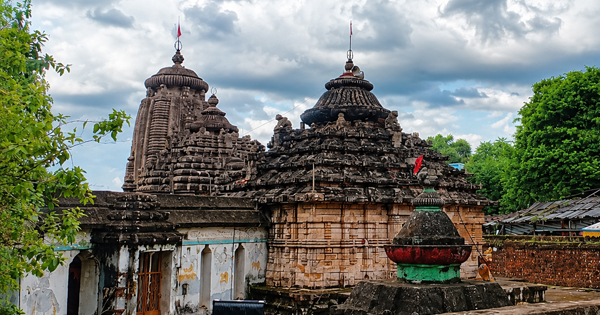
Kapileshwara Temple is an ancient and revered Shiva shrine located in the historic Kapileswar area of Old Town Bhubaneswar. The temple complex is especially notable for its unique tradition of housing three separate Shiva Lingas in three distinct shrines, collectively revered as Kapilnath 1, Kapilnath 2, and Kapilnath 3. This rare feature makes the temple an important spiritual destination for devotees. Known for its peaceful atmosphere and deep religious significance, Kapileshwara Temple remains an integral part of Bhubaneswar’s rich Shaivite heritage and temple traditions.
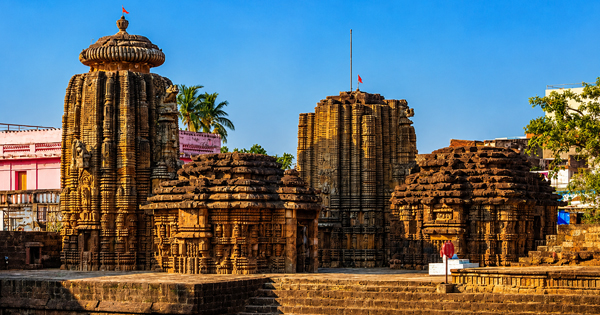
Papanasini Temple is a sacred shrine in the historic Old Town area of Bhubaneswar, revered for its deep spiritual significance and association with purification and redemption. The name “Papanasini” literally means “the destroyer of sins,” and devotees visit the temple seeking divine blessings, inner peace, and spiritual cleansing. Surrounded by the rich heritage of the Temple City, this revered shrine continues to be an important destination for pilgrims and visitors exploring Odisha’s ancient religious traditions.
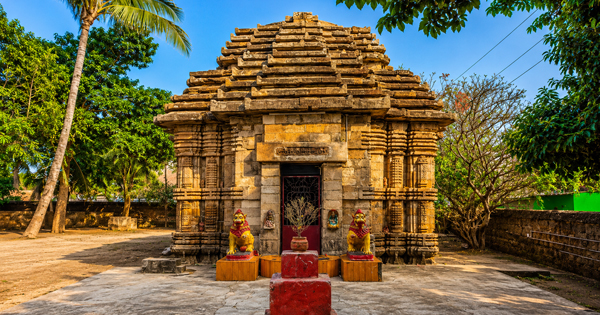
Purbeswara Temple is an ancient Shiva temple located in the historic Old Town area of Bhubaneswar, the renowned Temple City of India. Dedicated to Lord Shiva, the temple is admired for its traditional Kalinga architectural style and enduring spiritual significance. As one of the many historic shrines that contribute to Bhubaneswar’s rich religious landscape, Purbeswara Temple offers visitors an opportunity to experience the city’s centuries-old heritage, sacred traditions, and timeless devotion.
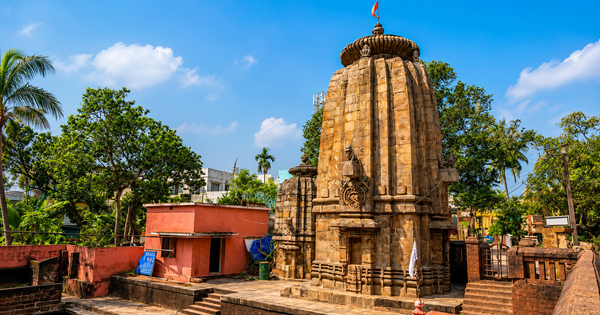
Kotiteertheswara Temple is an ancient Shiva temple located in the sacred temple precincts of Old Town Bhubaneswar. Rich in spiritual significance and historical heritage, the temple is revered by devotees for its serene atmosphere and traditional Kalinga-style architecture. As part of Bhubaneswar’s remarkable network of historic shrines, it offers visitors an opportunity to experience the city’s deep-rooted religious traditions and timeless architectural legacy.
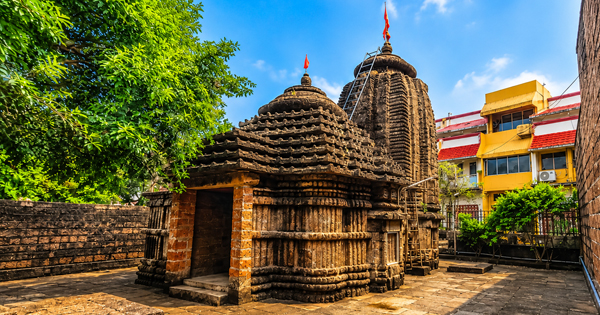
Champakeswara Temple is a historic Shiva temple located in the sacred Old Town area of Bhubaneswar. Known for its spiritual significance and traditional Kalinga architectural features, the temple reflects the rich religious heritage of the Temple City. Its peaceful surroundings and centuries-old legacy make it a noteworthy destination for devotees, history enthusiasts, and visitors exploring Bhubaneswar’s remarkable collection of ancient temples.
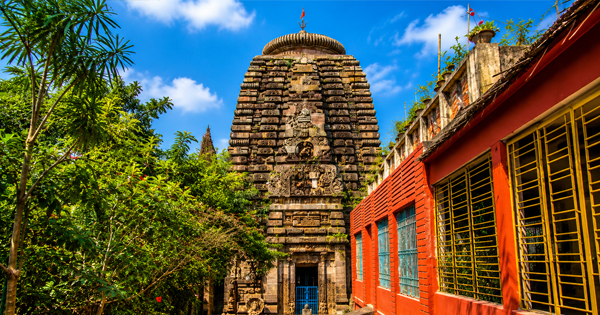
Swarnajaleswara Temple is a historic Shiva temple situated in the sacred temple precincts of Old Town Bhubaneswar. Revered for its spiritual significance and traditional Kalinga architectural features, the temple forms an integral part of the city’s rich religious heritage. Its peaceful surroundings and centuries-old legacy attract devotees and heritage enthusiasts alike, offering a glimpse into the enduring traditions and architectural excellence that have earned Bhubaneswar its reputation as the Temple City of India.
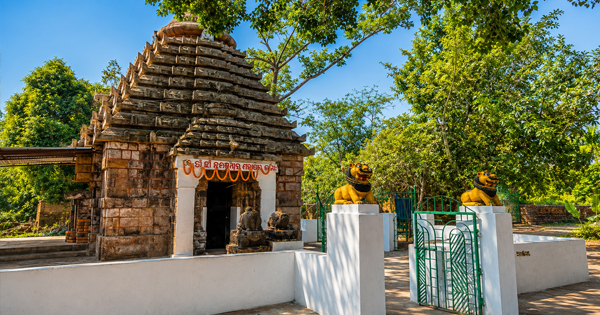
Sukhmeswara Temple is an ancient Shiva temple situated in the historic Old Town area of Bhubaneswar. Dedicated to Lord Shiva, the temple is known for its traditional Kalinga-style architecture, intricate stonework, and serene spiritual atmosphere. As one of the many historic shrines that contribute to Bhubaneswar’s rich religious heritage, Sukhmeswara Temple offers visitors an opportunity to experience the timeless devotion, architectural beauty, and cultural traditions of the Temple City.
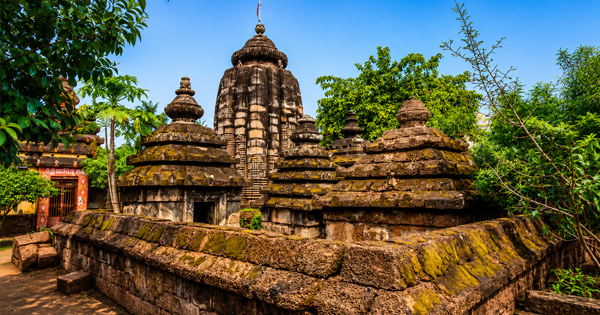
Taleswara Temple is a historic Shiva temple located in the sacred Old Town area of Bhubaneswar. Revered for its religious significance and traditional Kalinga architectural style, the temple has been a center of worship for centuries. Its tranquil atmosphere, ancient heritage, and enduring spiritual traditions make it a notable landmark among the many historic shrines that contribute to Bhubaneswar’s reputation as the Temple City of India.
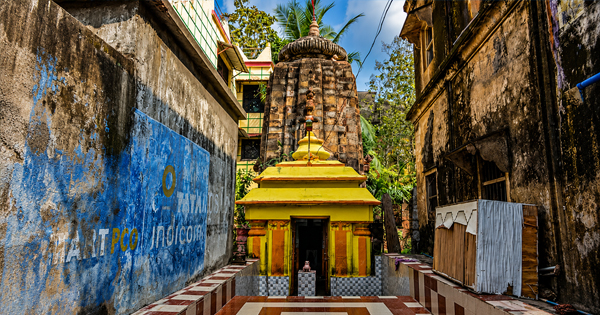
Tirtheswara Temple is an ancient Shiva shrine located in the historic Old Town area of Bhubaneswar. The temple derives its name from the Sanskrit word *Tirtha*, meaning a sacred pilgrimage site, reflecting its spiritual importance among devotees. Known for its traditional Kalinga-style architecture and peaceful ambiance, the temple forms part of Bhubaneswar’s rich network of historic shrines and offers visitors an opportunity to experience the city’s enduring religious and cultural heritage.
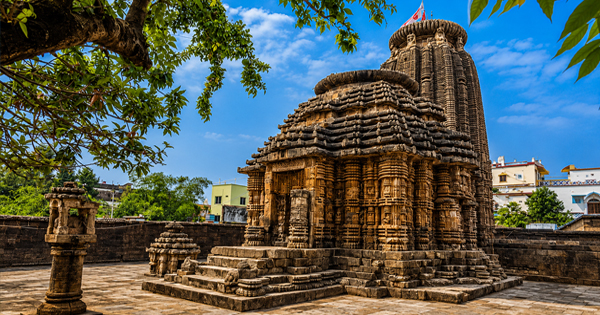
Yameshwar Temple is an ancient Shiva temple located in the historic Old Town area of Bhubaneswar, near the renowned Mukteswara and Siddheswara temple complexes. Dating back to the medieval period, the temple is an excellent example of traditional Kalinga architecture, featuring intricate carvings and elegant stone craftsmanship. Dedicated to Lord Shiva, Yameshwar Temple is revered by devotees and stands as an important part of Bhubaneswar’s rich spiritual, architectural, and cultural heritage.
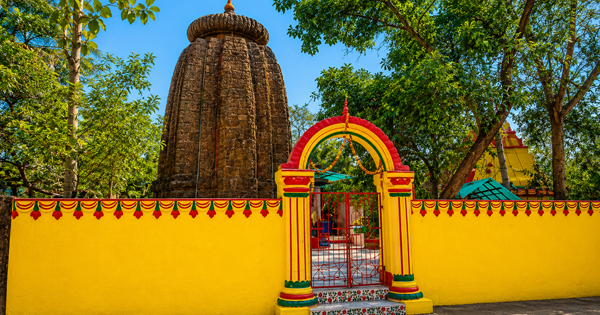
Pataleswara Temple is an ancient Shiva shrine located in the historic Old Town area of Bhubaneswar. Dedicated to Lord Shiva, the temple is revered for its spiritual significance and forms part of the city’s extensive network of historic Shaivite shrines. Featuring traditional Kalinga architectural elements and a serene atmosphere, Pataleswara Temple offers devotees and visitors an opportunity to experience the rich religious traditions and timeless heritage that define Bhubaneswar as the Temple City of India.
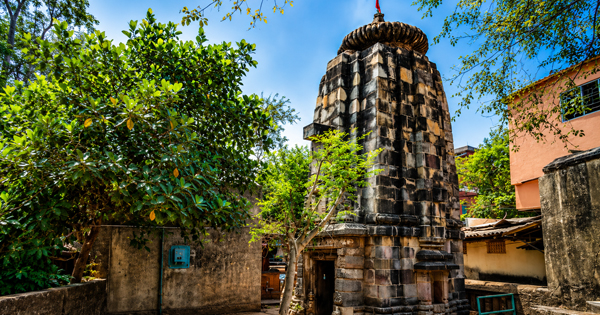
Pabaneswara, also known as Daitesvara Temple, is an ancient Shiva shrine located in the historic Old Town area of Bhubaneswar. Rich in religious significance and traditional heritage, the temple is an integral part of the sacred temple network that has flourished in the city for centuries. Featuring classic Kalinga architectural elements and a serene spiritual atmosphere, the shrine attracts devotees seeking blessings and offers visitors a glimpse into Bhubaneswar’s enduring Shaivite traditions and cultural legacy.
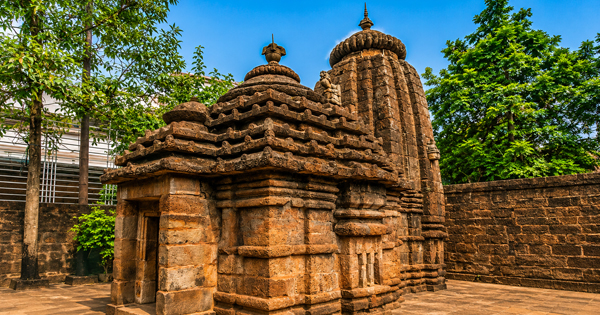
Mangaleswara Temple is an ancient Shiva temple located in the historic Old Town area of Bhubaneswar. Dedicated to Lord Shiva, the temple is revered for its spiritual significance and longstanding role in the religious traditions of the Temple City. Showcasing traditional Kalinga architectural features and a peaceful atmosphere, Mangaleswara Temple continues to attract devotees and heritage enthusiasts interested in exploring Bhubaneswar’s rich cultural, architectural, and spiritual legacy.
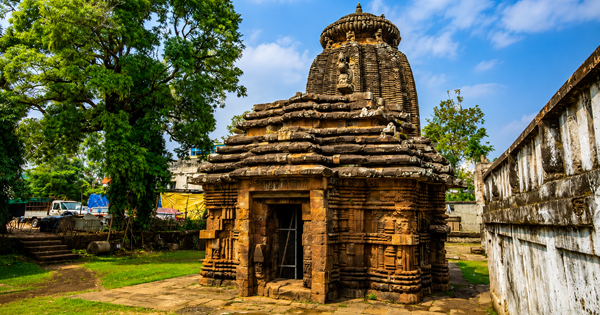
Makareswar Temple is an ancient Shiva temple situated in the historic Old Town area of Bhubaneswar. Renowned for its traditional Kalinga-style architecture and intricate stone carvings, the temple reflects the artistic and spiritual heritage of medieval Odisha. Dedicated to Lord Shiva, it remains an important place of worship and forms part of Bhubaneswar’s remarkable collection of historic temples, offering visitors a glimpse into the city’s rich religious and architectural traditions.
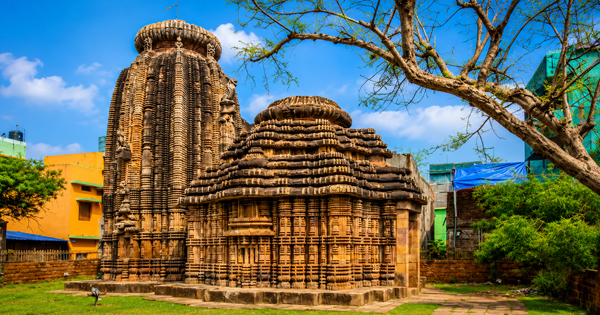
Bakreswara Temple is an ancient Shiva shrine located in the historic Old Town area of Bhubaneswar. Revered for its spiritual significance and traditional Kalinga architectural style, the temple has been an important center of worship for generations. As part of Bhubaneswar’s extensive network of historic Shaivite temples, Bakreswara Temple reflects the city’s rich religious heritage and offers devotees and visitors an opportunity to experience its enduring traditions, sacred atmosphere, and architectural legacy.
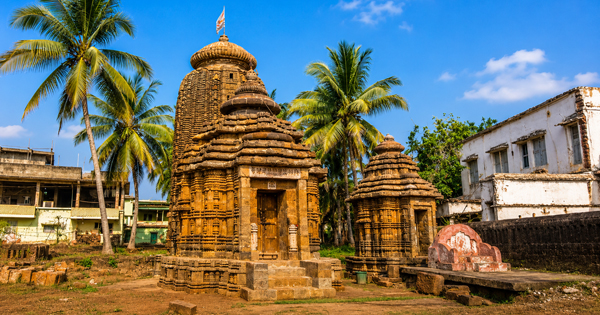
Aisaneswara Temple is an ancient Shiva shrine located in the historic Old Town area of Bhubaneswar. Dedicated to Lord Shiva in his form as Isana, the guardian deity of the northeast direction in Hindu tradition, the temple holds significant religious and cultural importance. Featuring traditional Kalinga architectural elements and a serene spiritual atmosphere, Aisaneswara Temple forms an integral part of Bhubaneswar’s rich network of historic shrines and reflects the city’s enduring Shaivite heritage.
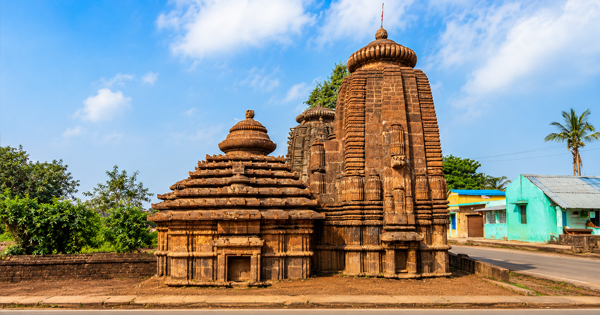
Kartikeswar Temple is a revered shrine dedicated to Lord Kartikeya, the son of Lord Shiva and Goddess Parvati, located in the historic Old Town area of Bhubaneswar. The temple holds special significance for devotees who worship Lord Kartikeya as the deity of courage, wisdom, and victory. With its peaceful atmosphere and deep-rooted religious traditions, Kartikeswar Temple forms an important part of Bhubaneswar’s rich spiritual heritage and offers visitors a glimpse into the city’s diverse temple culture.
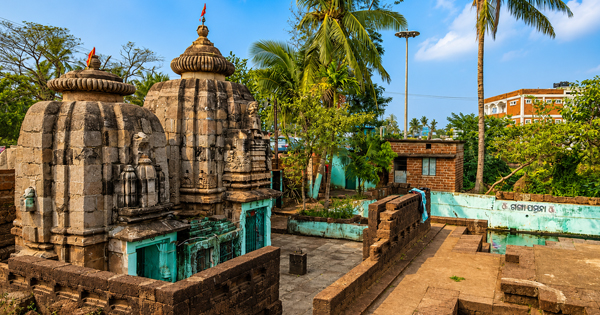
Popularly known as the Ganga Jamuna Temple, the Gangeswara and Yamuneswara Temples are a pair of ancient Shiva shrines located in the historic Old Town area of Bhubaneswar. Named after the sacred rivers Ganga and Yamuna, the temples symbolize purity and spiritual devotion and hold a special place in the city’s religious traditions. Featuring traditional Kalinga architectural elements and a peaceful atmosphere, these historic shrines are an important part of Bhubaneswar’s rich Shaivite heritage and cultural legacy.
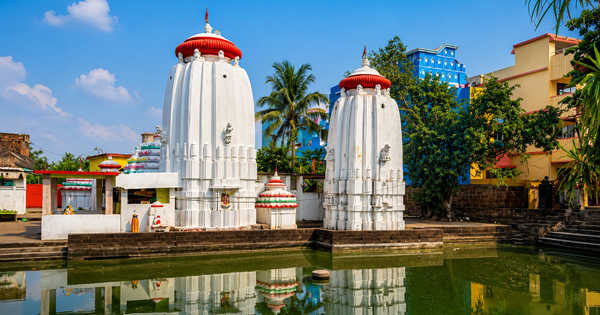
Gosagareswara Temple is an ancient Shiva shrine located in the historic Old Town area of Bhubaneswar. Revered by devotees for its spiritual significance and peaceful ambiance, the temple forms part of the city’s extensive network of sacred Shaivite shrines. Showcasing traditional Kalinga architectural features and centuries-old religious traditions, Gosagareswara Temple offers visitors an opportunity to experience the rich cultural heritage and timeless devotion that define Bhubaneswar, the Temple City of India.
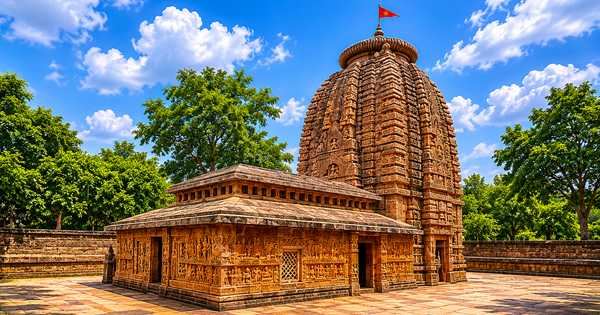
Parshurameswara Temple is one of the oldest surviving temples in Bhubaneswar and a remarkable example of early Kalinga architecture. Dating back to the 7th century, this beautifully preserved Shiva temple is renowned for its intricate carvings, detailed sculptures, and architectural elegance. Dedicated to Lord Shiva, the temple offers visitors a fascinating glimpse into the origins of Odisha’s rich temple-building tradition and remains an important landmark of the Temple City’s cultural heritage.
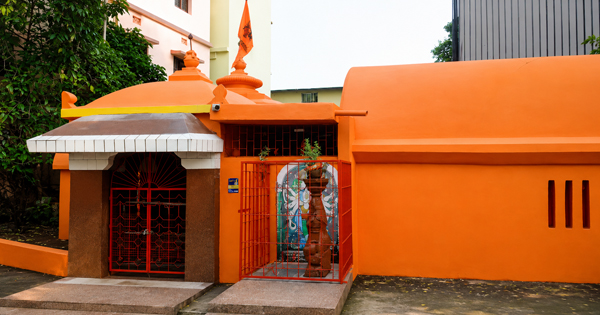
Smashan Mahaveer Temple is a revered spiritual shrine in Bhubaneswar dedicated primarily to Lord Hanuman, who is worshipped here as the protector and remover of obstacles. The temple also houses sacred shrines of Goddess Durga and Lord Ganesha, making it an important center of devotion for worshippers of multiple Hindu deities. Known for its serene atmosphere and strong spiritual significance, the temple attracts devotees seeking blessings, strength, protection, and divine guidance throughout the year.
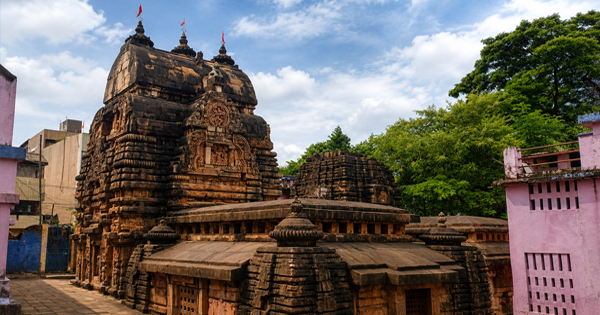
Vaital Deula is one of Bhubaneswar’s most distinctive and historically significant temples, dating back to the 8th century CE. Dedicated to Goddess Chamunda, a fierce manifestation of Shakti, the temple is renowned for its unique Khakhara-style architecture, characterized by a wagon-shaped roof rarely seen in Indian temple design. Rich in Tantric traditions and adorned with intricate stone carvings, Vaital Deula stands as a remarkable example of Odisha’s ancient artistic, architectural, and spiritual heritage, attracting devotees, historians, and cultural enthusiasts alike.
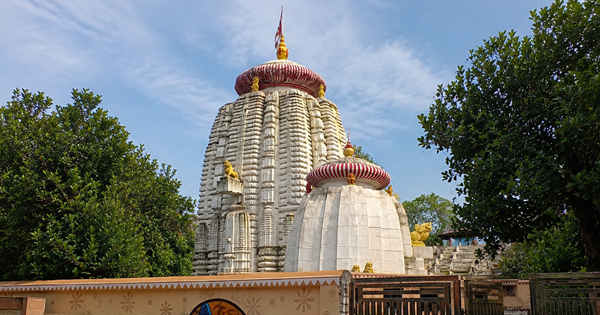
Kedar Gouri Temple is a revered temple complex dedicated to Lord Shiva (Kedar) and Goddess Parvati (Gouri). Nestled amidst serene surroundings in Old Town Bhubaneswar, the temple is an important pilgrimage site known for its spiritual ambiance and historical significance. Visitors are drawn to its peaceful atmosphere, sacred ponds, and the enduring legends associated with the divine couple.
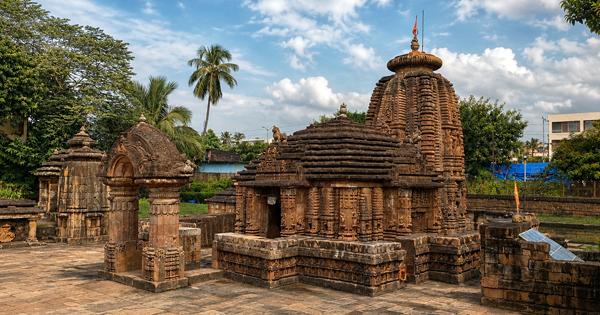
Mukteswara Temple is one of Bhubaneswar’s most celebrated architectural treasures and is often called the “Gem of Odisha Architecture.” Built in the 10th century, the temple is renowned for its exquisite stone carvings, ornate archway, and intricate sculptures. Dedicated to Lord Shiva, it stands as a masterpiece of Kalinga architecture and a must-visit destination for history, art, and spirituality enthusiasts.
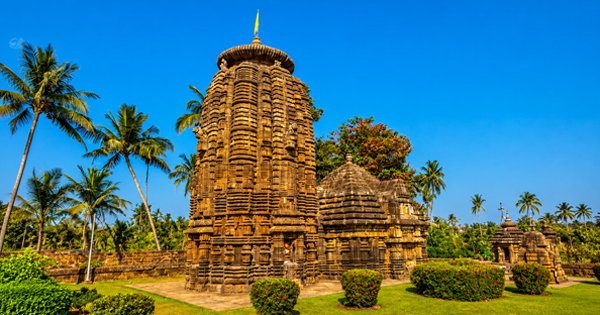
Siddheswara Temple is a historic Shiva temple located in the renowned Mukteswara Temple complex area of Old Town Bhubaneswar. Built in the traditional Kalinga architectural style, the temple is admired for its elegant stone carvings, harmonious proportions, and spiritual ambiance. Dedicated to Lord Shiva, Siddheswara Temple forms part of an important group of medieval temples that showcase the evolution of Odisha’s temple architecture, making it a significant destination for devotees, history enthusiasts, and lovers of heritage.
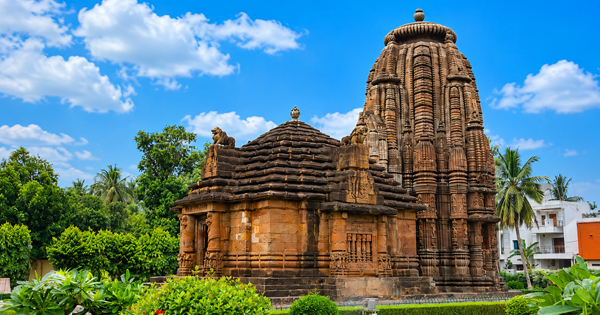
Rajarani Temple is one of Bhubaneswar’s most iconic architectural landmarks, celebrated for its exquisite sandstone carvings and remarkable craftsmanship. Built during the 11th century, the temple is often referred to as the “Temple of Love” due to its beautifully sculpted figures and artistic detailing. Surrounded by well-maintained gardens, this historic monument offers visitors a fascinating glimpse into Odisha’s rich architectural heritage and artistic excellence.
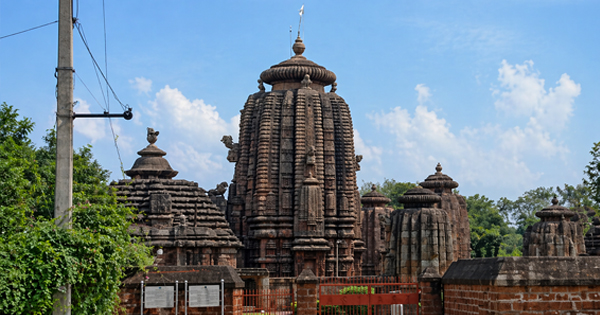
Brahmeswara Temple is a magnificent 11th-century Shiva temple and one of the finest examples of mature Kalinga architecture in Bhubaneswar. Renowned for its intricate stone carvings, beautifully sculpted deities, and elegant temple design, it represents a significant milestone in Odisha’s architectural heritage. Dedicated to Lord Shiva, the temple attracts devotees, historians, and architecture enthusiasts seeking to explore the rich cultural legacy of the Temple City.
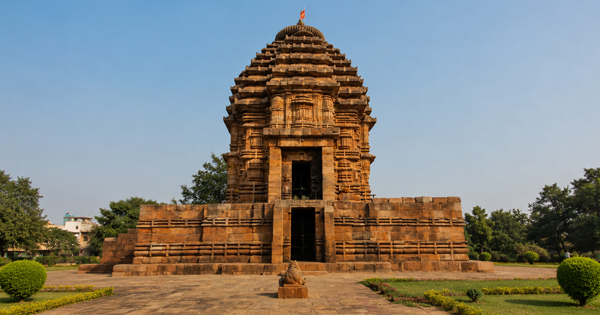
Bhaskareswara Temple is an ancient Shiva temple located in the heart of Bhubaneswar, known for housing one of the tallest Shiva Lingas in Odisha. Believed to date back to the early medieval period, the temple showcases the region’s rich architectural and spiritual heritage. Its historical significance, unique structure, and peaceful surroundings make it a notable destination for devotees and visitors exploring the sacred landmarks of the Temple City.
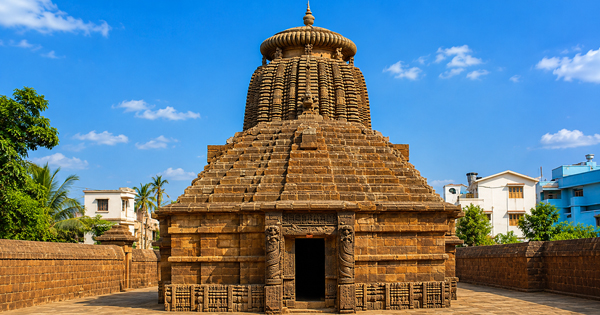
Megheswara Temple is a historic Shiva temple located in the ancient temple precincts of Bhubaneswar. Built during the 12th century, the temple is admired for its elegant Kalinga-style architecture, intricate stone carvings, and serene spiritual atmosphere. Dedicated to Lord Shiva, it stands as an important symbol of Odisha’s rich cultural and religious heritage, attracting devotees, history enthusiasts, and architecture lovers alike.
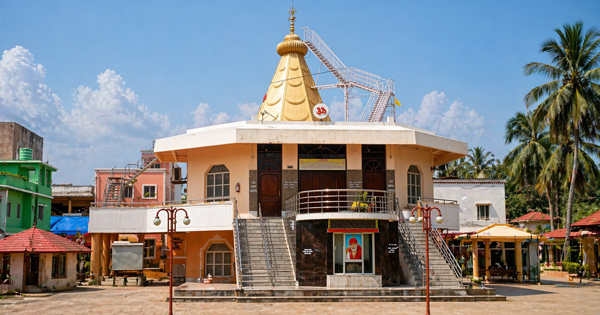
Sai Baba Temple on Tankapani Road is one of the most popular spiritual destinations in Bhubaneswar, attracting devotees of all faiths throughout the year. Dedicated to Shri Sai Baba of Shirdi, the temple is known for its peaceful atmosphere, beautifully maintained premises, and daily prayers. Visitors come here to seek blessings, experience spiritual tranquility, and participate in special celebrations held on Thursdays and major religious occasions.
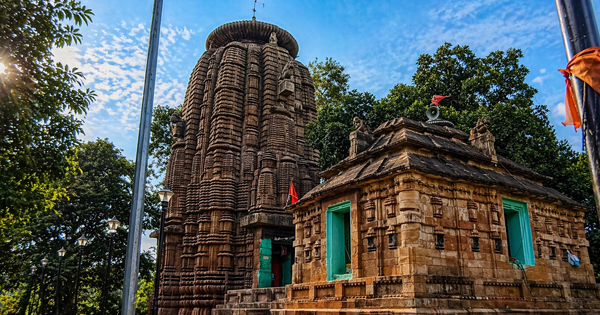
Rameshwara Temple is a revered Shiva temple in the historic temple district of Bhubaneswar and is popularly known as the Mausi Maa (Aunt’s) Temple of Lord Lingaraj. The temple holds special significance during the annual Ashokashtami Rukuna Rath Yatra, when the proxy deity of Lord Lingaraj visits the temple on a grand chariot procession. The area is also home to several ancient shrines, including the Laxmaneswara, Bharateswara, Shatrughneswara, Labakeswara, and Kushakeswara Temples, making it an important destination for devotees, history enthusiasts, and lovers of Odisha’s rich temple heritage.
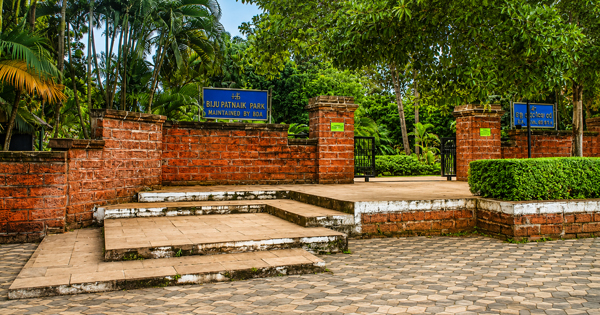
Forest Park is one of Bhubaneswar’s most popular recreational green spaces, offering a peaceful retreat amid lush trees and landscaped surroundings. Known for its walking paths, open lawns, and tranquil environment, the park is a favorite destination for morning walkers, fitness enthusiasts, families, and nature lovers. Its refreshing atmosphere provides visitors with an ideal place to relax, unwind, and enjoy the natural beauty of the city.
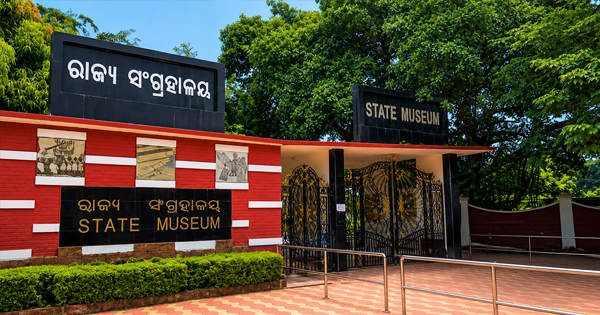
Odisha State Museum is one of the premier cultural institutions in Bhubaneswar, showcasing the rich history, art, archaeology, and heritage of Odisha. Established in 1938, the museum houses an extensive collection of ancient sculptures, rare manuscripts, traditional weapons, coins, paintings, and tribal artifacts. It offers visitors a fascinating journey through the state’s diverse cultural legacy and serves as an important destination for history enthusiasts, researchers, and tourists.
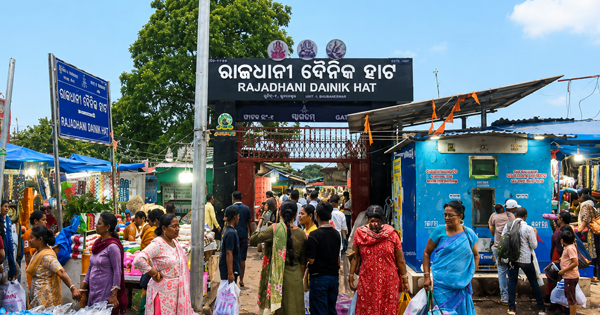
Unit-1 Market is one of Bhubaneswar’s oldest and most popular shopping destinations, offering a vibrant blend of traditional and modern retail experiences. Known for its wide variety of clothing, handicrafts, household items, jewelry, electronics, and local products, the market attracts shoppers from across the city. Its bustling atmosphere, affordable prices, and diverse range of goods make it a favorite destination for both residents and tourists looking to experience the city’s lively commercial culture.
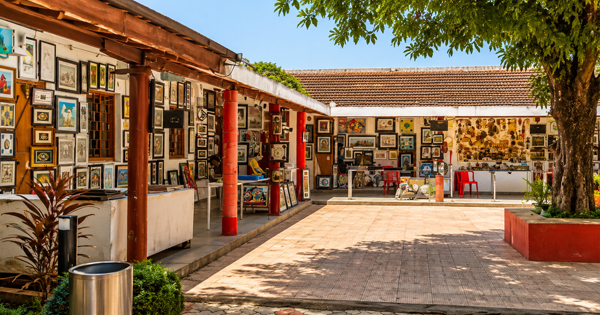
Ekamra Haat is a vibrant cultural and handicrafts marketplace in Bhubaneswar that showcases the rich artistic traditions of Odisha. Visitors can explore a wide variety of authentic handloom textiles, stone carvings, appliqué work, tribal crafts, and traditional souvenirs created by local artisans. The venue also features regional cuisine, cultural performances, and seasonal festivals, making it an ideal destination to experience Odisha’s art, culture, and craftsmanship in one place.
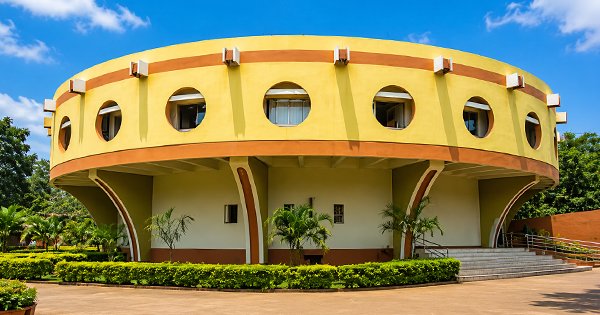
Pathani Samanta Planetarium is a popular science and astronomy center in Bhubaneswar, named after the renowned Odia astronomer Mahamahopadhyaya Chandrasekhara Singh Harichandan Mahapatra, popularly known as Pathani Samanta. The planetarium offers engaging sky shows, astronomical exhibitions, and educational programs that help visitors explore the wonders of the universe. It is a fascinating destination for students, families, and anyone interested in space science and astronomy.
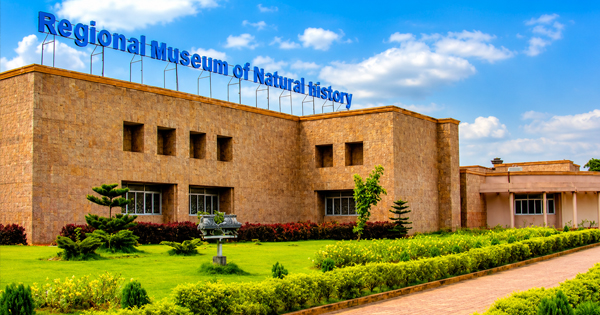
Regional Museum of Natural History is a leading educational and scientific museum in Bhubaneswar dedicated to showcasing India’s rich biodiversity, wildlife, and natural heritage. The museum features fascinating exhibits on flora, fauna, geology, ecosystems, and environmental conservation, including life-size animal models and interactive displays. It serves as an excellent destination for students, nature enthusiasts, and families seeking to learn about the natural world in an engaging and informative setting.
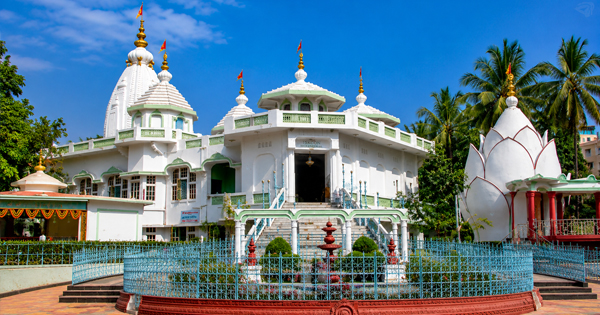
ISKCON Temple Bhubaneswar is a prominent spiritual and cultural center dedicated to Lord Krishna and Lord Balarama. Known for its beautiful architecture, serene atmosphere, and vibrant devotional activities, the temple attracts devotees and visitors from around the world. Daily prayers, kirtans, spiritual discourses, and major festivals such as Janmashtami make it a popular destination for those seeking peace, devotion, and a deeper understanding of Vedic culture.
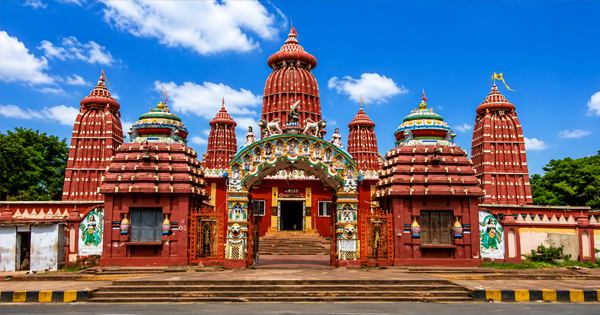
Ram Mandir is one of the most prominent and revered Hindu temples in Bhubaneswar, located in the heart of the city at Unit-3. Dedicated to **Lord Rama, Goddess Sita, and Lord Lakshmana**, the temple is renowned for its beautiful architecture, serene atmosphere, and vibrant religious celebrations. A major spiritual and cultural landmark, it attracts devotees and visitors throughout the year, especially during festivals such as Ram Navami, making it an important center of faith and devotion in the capital city of Odisha.
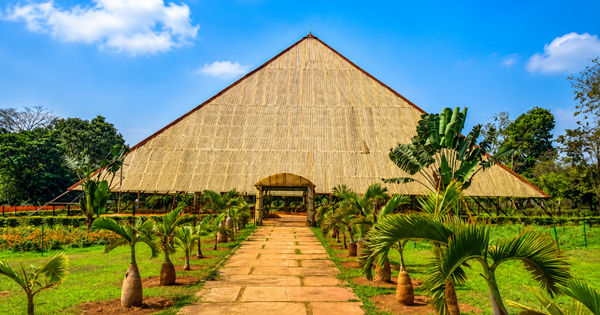
Ekamra Kanan Botanical Gardens is a beautiful urban green space in Bhubaneswar, offering a refreshing escape amidst lush landscapes, flowering plants, and serene water bodies. Spread across a vast area, the garden features a rich collection of native and exotic plant species, walking trails, and picturesque picnic spots. Popular among nature lovers, families, and fitness enthusiasts, it provides a peaceful environment to relax and enjoy the natural beauty of the Temple City.
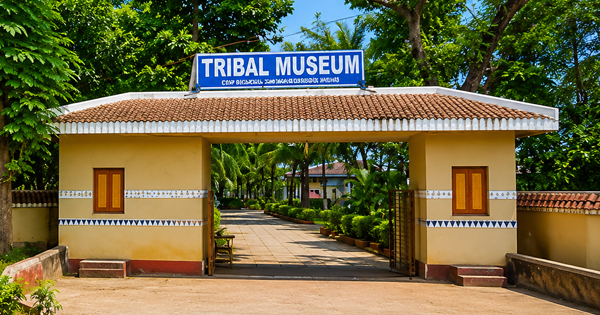
The Tribal Museum, officially known as the **Tribal Research Institute Museum**, is one of India’s finest museums dedicated to the culture and heritage of indigenous communities. Located in Bhubaneswar, the museum showcases the lifestyles, traditions, art, crafts, costumes, musical instruments, dwellings, and rituals of Odisha’s diverse tribal groups. Through its authentic exhibits and detailed displays, visitors gain a fascinating insight into the rich cultural diversity and living traditions that have shaped the state’s unique identity.
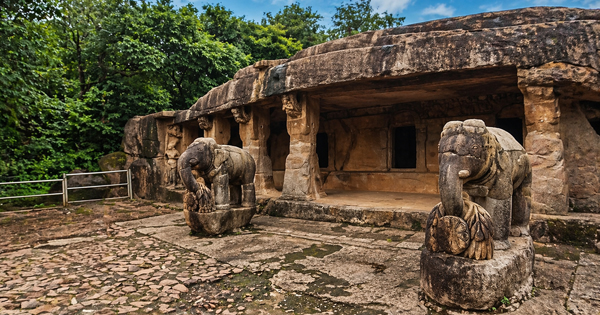
Khandagiri Caves are an ancient group of rock-cut caves that form one of Odisha’s most significant historical and archaeological sites. Dating back to the 2nd century BCE, the caves were carved as residences and meditation chambers for Jain monks during the reign of King Kharavela. Known for their historical inscriptions, intricate carvings, and scenic hilltop views, Khandagiri Caves offer visitors a unique glimpse into the region’s rich cultural, religious, and architectural heritage.
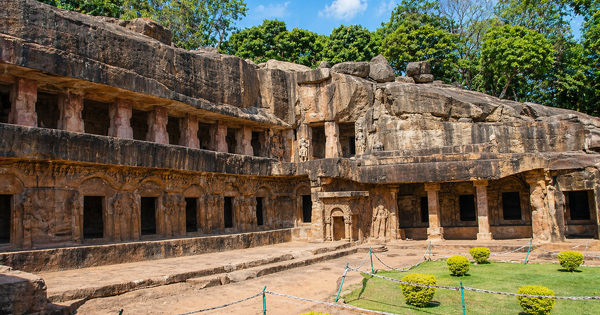
Udayagiri Caves are a remarkable complex of ancient rock-cut caves dating back to the 2nd century BCE and are among Odisha’s most important archaeological treasures. Associated with Jainism and the reign of King Kharavela, the caves feature intricate carvings, inscriptions, and historic chambers that offer valuable insights into ancient Indian civilization. Together with the nearby Khandagiri Caves, Udayagiri provides visitors with a fascinating journey through Odisha’s rich historical, cultural, and religious heritage.
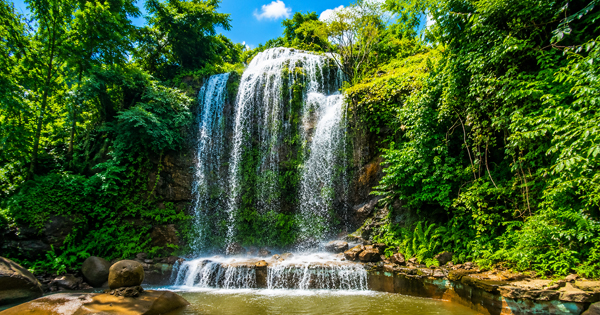
Jayadev Vatika is a beautifully developed eco-park and cultural garden in Bhubaneswar, dedicated to the legendary poet Jayadeva, author of the renowned *Gita Govinda*. Surrounded by lush greenery, landscaped gardens, water features, and artistic sculptures, the park offers a peaceful environment for relaxation and recreation. It is a popular destination for nature lovers, families, and visitors seeking to experience a blend of natural beauty and Odisha’s rich cultural heritage.
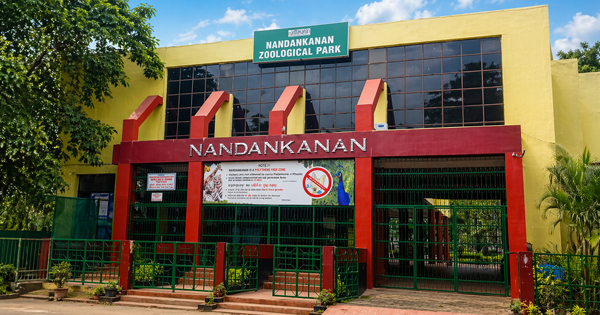
Nandankanan Zoological Park is one of India’s most renowned zoological parks and a major tourist attraction near Bhubaneswar. Spread across a vast forested landscape, the zoo is home to a diverse range of wildlife, including the famous white tigers, Asiatic lions, reptiles, and exotic bird species. Visitors can also enjoy thrilling safari experiences, a botanical garden, and a scenic lake, making it a perfect destination for families, wildlife enthusiasts, and nature lovers.
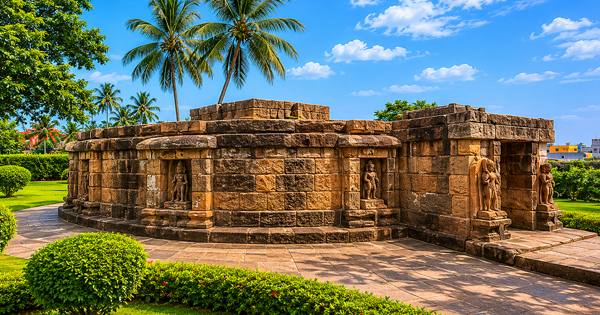
The Chausathi Yogini Temple, located at Hirapur near Bhubaneswar, is one of the few surviving **64 Yogini temples** in India and a remarkable monument of ancient Tantric worship. Built in the 9th century CE, this circular, open-air temple houses beautifully carved stone images of the sixty-four Yoginis, along with shrines dedicated to Goddess Kali and Lord Shiva. Renowned for its unique architecture, spiritual significance, and historical importance, the temple attracts devotees, historians, archaeologists, and visitors from around the world.
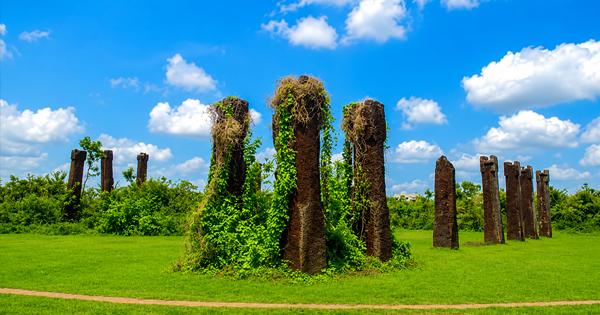
Sisupalgarh is one of India’s most important ancient archaeological sites, located on the outskirts of Bhubaneswar. Believed to have been a thriving fortified urban settlement over 2,000 years ago, the site features the remains of massive defensive walls, gateways, and stone pillars that offer valuable insights into early urban planning and civilization in eastern India. Rich in historical significance, Sisupalgarh attracts archaeologists, history enthusiasts, and visitors eager to explore Odisha’s ancient past and cultural heritage.
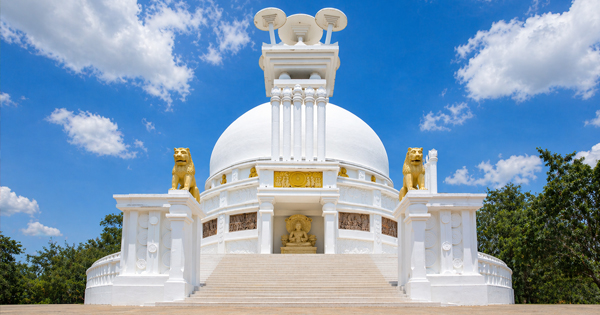
Dhauligiri, home to the magnificent White Peace Pagoda (Shanti Stupa), is one of Odisha’s most important historical and spiritual landmarks. Perched atop Dhauli Hill, it marks the site of the historic Kalinga War, after which Emperor Ashoka embraced Buddhism and the path of peace. Offering panoramic views of the surrounding landscape, the gleaming white stupa attracts pilgrims, history enthusiasts, and tourists seeking inspiration from its powerful message of harmony and non-violence.
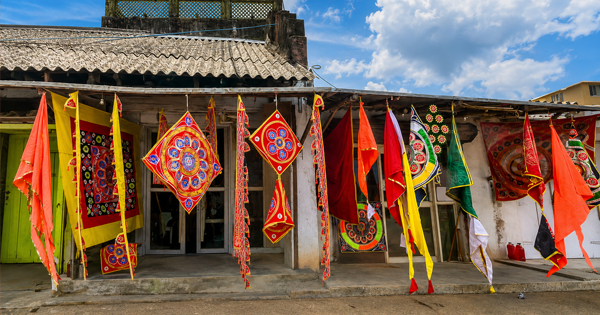
Pipili, popularly known as the Appliqué Village of Odisha, is a vibrant craft hub located along the Bhubaneswar–Puri highway. Renowned for its exquisite appliqué artwork, the village is famous for producing colorful canopies, wall hangings, lampshades, umbrellas, handbags, and decorative textiles handcrafted by skilled artisans. This centuries-old craft tradition, closely associated with the Jagannath culture of Odisha, makes Pipili a must-visit destination for art lovers, shoppers, and cultural enthusiasts seeking authentic handmade souvenirs.
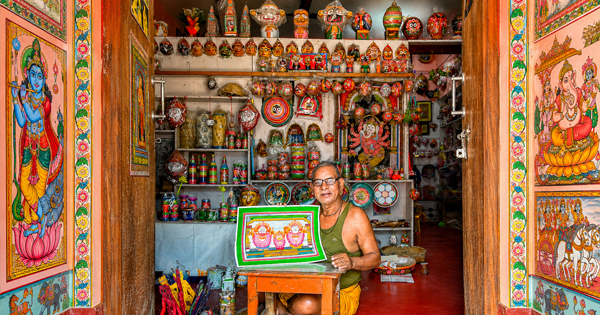
Raghurajpur Artisan Village is a nationally acclaimed heritage crafts village located near Puri and is renowned as the birthplace of Odisha’s traditional Pattachitra painting. Home to generations of master artisans, the village showcases a rich variety of traditional art forms, including palm-leaf engravings, wooden carvings, stone sculptures, papier-mâché crafts, and classical dance traditions. Designated as a Heritage Crafts Village, Raghurajpur offers visitors a unique opportunity to experience Odisha’s living artistic heritage and interact directly with skilled craftsmen in their traditional surroundings.
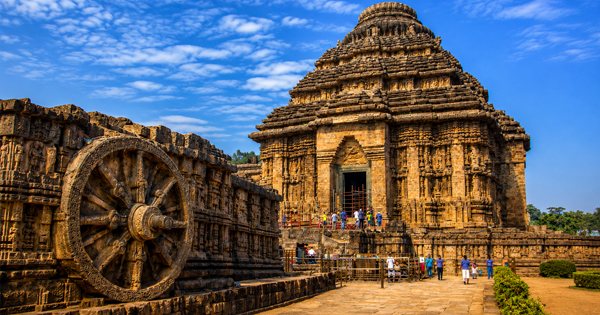
The Konark Sun Temple is one of India’s most celebrated architectural masterpieces and a UNESCO World Heritage Site. Built in the 13th century by King Narasimhadeva I, the temple is designed in the form of a colossal stone chariot dedicated to the Sun God, Surya, complete with intricately carved wheels, pillars, and sculptures. Renowned for its artistic brilliance, engineering excellence, and historical significance, Konark attracts visitors from around the world and stands as a proud symbol of Odisha’s rich cultural heritage.

Chilika Lake is the largest brackish water lagoon in Asia and one of Odisha’s most spectacular natural attractions. Spread across a vast area along the Bay of Bengal, the lake is renowned for its rich biodiversity, migratory birds, scenic islands, and the famous Irrawaddy dolphins. A paradise for nature lovers, birdwatchers, photographers, and adventure seekers, Chilika offers unforgettable experiences through boat cruises, wildlife sightings, and breathtaking natural landscapes.
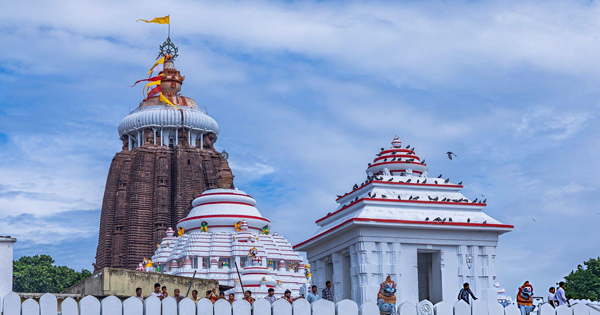
Jagannath Temple is one of the most sacred pilgrimage destinations in India and the spiritual heart of Odisha. Dedicated to Lord Jagannath, along with Lord Balabhadra and Goddess Subhadra, the temple is renowned for its magnificent architecture, ancient traditions, and profound religious significance. Famous worldwide for the grand Rath Yatra (Chariot Festival), the temple attracts millions of devotees and visitors each year, making it one of the most important centers of Hindu faith and culture.